
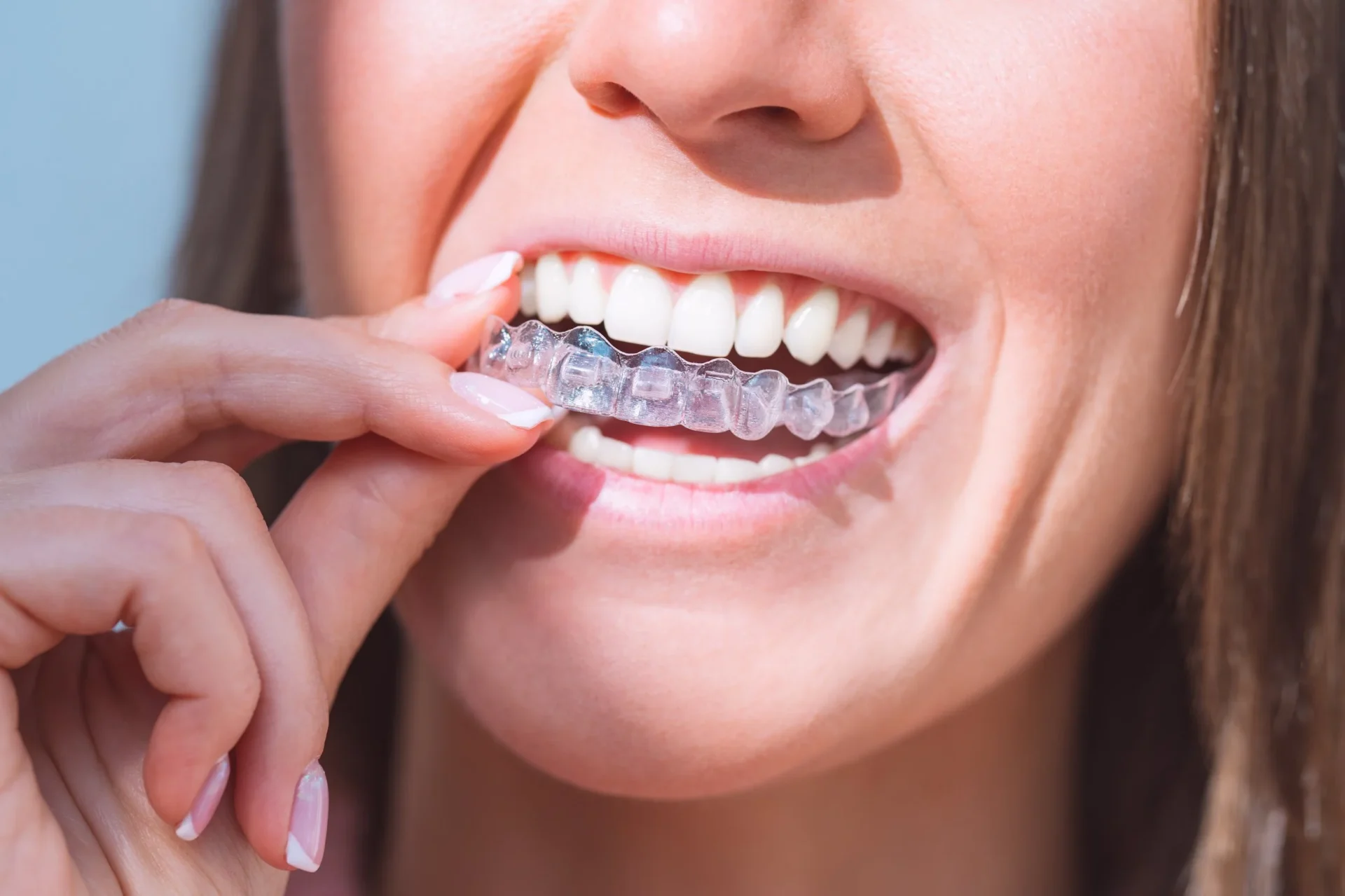
A straighter smile can change not just your appearance, but your confidence. Before you commit to Invisalign, there are key details you need to know, about the process, the price, and whether this modern approach to orthodontics is really right for you.
Understanding Invisalign: What It Is and How It Works
Invisalign uses a series of clear, removable aligners to gradually shift your teeth into place. Each aligner is custom-made using 3D imaging technology, designed to fit snugly over your teeth while staying almost invisible. Unlike traditional metal braces, there are no brackets or wires, just smooth plastic trays that you swap out every week or two as your treatment progresses.
Clear Aligners vs. Traditional Braces: Key Differences
Clear aligners bring obvious cosmetic advantages, but the differences go further than looks. While braces are fixed in place and require regular tightening, Invisalign aligners can be removed for eating, brushing, and flossing. There are no dietary restrictions (popcorn and sticky sweets included), and appointments are generally shorter since there are no wires to adjust.
| Feature | Invisalign | Traditional Braces |
|————————|—————————-|—————————-|
| Appearance | Nearly invisible | Highly visible metal wires |
| Removability | Removable | Fixed until treatment ends |
| Eating restrictions | Few to none | Many foods off-limits |
| Oral hygiene | Easy brushing/flossing | Can be challenging |
| Office visits | Typically less frequent | More frequent adjustments |
Treatment Process Overview: Step-by-Step
The Invisalign journey starts with a digital scan or impression of your teeth. Your orthodontist uses this to create a personalized treatment plan, mapping out every step from start to finish. You’ll receive a set of aligners, each worn for about two weeks. As you switch aligners, your teeth move steadily into place. Checkups are scheduled every 6-8 weeks to monitor progress and deliver new aligners.
Typical Duration and Expected Results
Most Invisalign treatments last 12-18 months, but simpler cases can wrap up even faster. Complex corrections might take a little longer. Expect to wear your aligners 20-22 hours per day for the best results. When the plan is followed closely, patients typically see dramatic improvements in both alignment and their bite.
Assessing Suitability: Who Should Consider Invisalign?
Invisalign isn’t for everyone, but it’s suitable for a wide range of ages and orthodontic issues. Mild to moderate crowding, gaps, or minor bite problems are often ideal cases. And with recent advances in aligner technology, even some complex issues can be treated.
Invisalign for Teens vs. Adults: Unique Benefits and Challenges
Teens appreciate Invisalign for its subtlety, no more worries about prom photos or self-consciousness in class. Some aligners now have a blue compliance indicator that fades as the aligner is worn, helping parents and orthodontists track wear time. Adults, meanwhile, value the convenience and flexibility. However, both teens and adults must be disciplined about wear time for the treatment to stay on track.
Dental Conditions Best Treated by Invisalign
Invisalign works well for:
– Mild to moderate crowding or spacing
– Overbites, underbites, and crossbites (in selected cases)
– Relapsed movement after previous orthodontic work
When Traditional Braces Might Be More Appropriate
Traditional braces remain the best choice for:
– Severe crowding or complex bite problems
– Teeth requiring vertical movement
– Patients unlikely to wear aligners as directed
If you’re unsure, an orthodontic consultation can help clarify the best option for your needs.
Cost Comparison: Invisalign vs. Alternative Orthodontic Treatments
For many patients, price is a deciding factor. Invisalign is typically priced similarly to traditional braces, but the specifics can vary based on your treatment plan and location.
| Treatment Option | Estimated Cost (CAD) | Key Notes |
|——————–|———————-|————————————-|
| Invisalign | $5,000–$8,000 | May vary by complexity and clinic |
| Metal Braces | $4,500–$7,000 | Slightly lower for simple cases |
| Ceramic Braces | $5,000–$8,500 | More discreet but can stain |
| Lingual Braces | $8,000–$10,000+ | Hidden behind teeth, higher cost |
Factors Influencing Invisalign Pricing
Several factors can impact the final cost:
– Severity of correction needed (more complex = more aligners = higher cost)
– Length of treatment
– Geographic location and clinic fees
– Provider expertise and technology
If you want a detailed breakdown, checking a local provider’s page on the cost of Invisalign can be eye-opening.
Insurance Coverage and Payment Plans Explained
Many dental insurance plans cover Invisalign as they would traditional orthodontics, often up to a certain dollar amount or percentage. It’s worth having your provider check your plan’s details. Clinics typically offer payment plans, monthly installments, discounts for up-front payment, or flexible financing, which make treatment more accessible.
Long-Term Value: Cost vs. Benefits
Think of Invisalign as an investment in your health and self-esteem. Beyond the aesthetics, properly aligned teeth are easier to clean, reducing your risk of decay and gum disease down the line.
Comfort and Lifestyle Impacts: Wearing Invisalign vs. Braces
Comfort is a big reason patients choose Invisalign. The trays are smooth, with no metal to irritate cheeks or lips. There is some pressure as teeth shift, but soreness generally fades after a day or two with each new aligner.
Daily Wear and Maintenance Requirements
You must wear aligners 20-22 hours daily, removing them only to eat, drink (except water), and clean your teeth. Aligners are brushed and rinsed regularly to prevent staining or odor.
Impact on Eating, Speaking, and Oral Hygiene
The ability to remove the trays means you can eat whatever you like. Oral hygiene is simpler than with braces, since there are no wires to trap food. Some people notice a brief lisp when they first wear aligners, but speech typically returns to normal within days.
Social and Aesthetic Considerations
Invisalign aligners are virtually invisible in most social situations. Most people won’t even notice you’re undergoing orthodontic treatment, which can be a huge confidence booster.
Risks and Limitations: What Invisalign Can’t Fix
While Invisalign is highly effective for many, it does have its limits. Not all orthodontic movements are possible with aligners alone.
Potential Treatment Complications
Some patients experience mild discomfort, dry mouth, or minor aligner irritation. More significant issues, like tooth movement plateauing, are usually resolved with careful monitoring and treatment tweaks.
Compliance Challenges and Their Consequences
Success hinges on wearing the aligners as prescribed. Skipping wear time means slower progress, and in some cases, the need for correction or additional trays.
When Revisions or Additional Treatments Are Needed
Sometimes, small refinements after the initial course are necessary. This might mean extra aligners or even a short stint with fixed braces on one or two teeth.
Making the Decision: Key Questions to Ask Your Orthodontist
Approaching your consultation with the right questions ensures you’re prepared for the journey ahead.
Evaluating Treatment Goals and Expectations
Clarify what you hope to achieve and whether Invisalign can deliver those results. Ask to see projected outcomes or digital simulations.
Understanding the Commitment and Follow-Up Care
How often are check-ins? What happens if you lose an aligner? Understanding the process helps set realistic expectations.
How to Verify Provider Expertise and Technology Used
Look for an orthodontist experienced with clear aligners, using up-to-date scanning and planning technology. Reading reviews and asking for before-and-after photos can provide peace of mind.
Financing Your Invisalign Treatment: Options and Tips
The sticker price can be daunting, but there are ways to manage costs.
Paying Upfront vs. Financing Plans
Most clinics offer a courtesy discount for payment in full, while monthly plans help spread out the expense. Ask which options are available at your chosen clinic.
Maximizing Insurance Benefits
Double-check with your insurance provider about orthodontic coverage. Some plans include Invisalign under their orthodontic benefits, but coverage amounts and eligibility can vary.
Discounts, Promotions, and Other Cost-Saving Strategies
Many clinics offer seasonal promotions, referral discounts, or free consultations. Flex spending accounts (FSAs) or health savings accounts (HSAs) can also be used to offset costs if applicable.
Real Patient Experiences: Testimonials and Before & After Insights
There’s no substitute for real-world stories. Patients report increased confidence, improved self-esteem, and surprise at how manageable the process can be.
Success Stories with Invisalign
The most common praise? The boost in self-confidence from a better smile, often with coworkers or friends never realizing they underwent orthodontic treatment.
Common Patient Concerns and How They Were Addressed
Questions about discomfort, speech changes, and whether results would last are commonplace. Most were reassured by clear communication and seeing tangible progress in photos and scans.
What to Expect During and After Treatment
You may need to wear a retainer after your last aligner to maintain results, but most patients say the freedom and comfort make the journey well worth it.
—
Before you commit to Invisalign, take time to research, ask questions, and consider your unique needs and lifestyle. With the right information and support, the path to a healthier, more confident smile is well within reach.
